10 Warning Signs Your Vehicle Is No Longer Safe to Drive
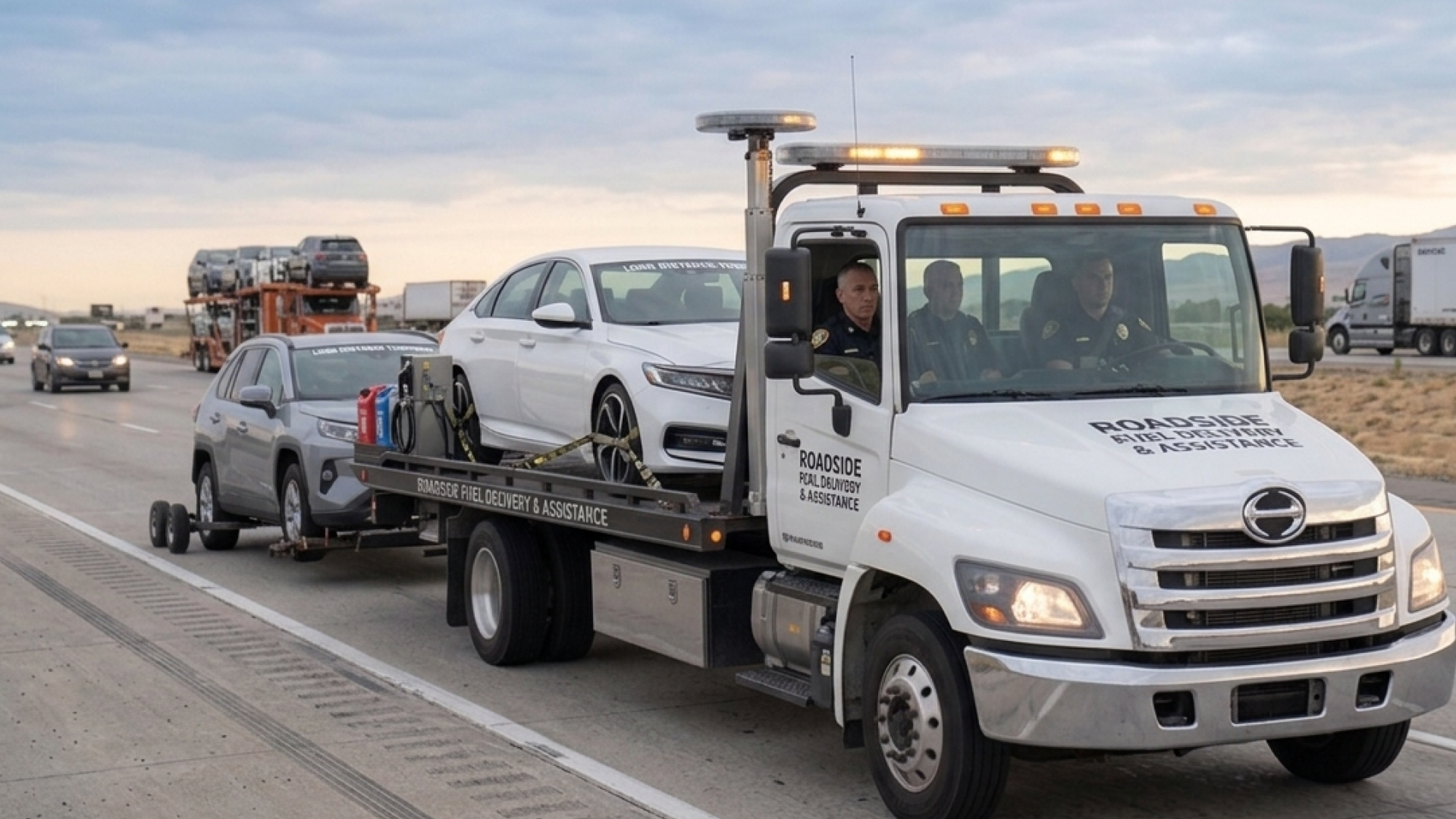
Your vehicle plays a foundational role in your daily routine. Whether you are commuting to work, running weekend errands, or embarking on a long-distance road trip, you rely on your car to get you to your destination safely.
However, vehicles rarely fail without warning. They frequently provide clear, physical indicators when an internal system is on the verge of collapsing. Ignoring these red flags can dramatically increase your risk of a highway breakdown, rack up thousands in secondary repair bills, or create outright dangerous driving conditions.
Recognizing the early indicators of automotive trouble helps you make smarter decisions when structural or mechanical integrity fails. While minor glitches can often be resolved on the shoulder, serious hazards demand that you pull over immediately and call a professional towing service to preserve your safety.
1. Your Vehicle Will Not Start
A vehicle that completely refuses to start is one of the most obvious signs of a critical system malfunction. While a failure to crank is frequently tied to a simple dead battery, it can also point to a failed alternator, a broken starter motor, or a blown electrical fuse.
If a professional mobile jump start fails to revive the engine, continuing to crank the ignition on your own can cause severe electrical damage. It is crucial to understand dead battery warning signs and when to call a jumpstart service so you don't burn out your electrical components. When basic troubleshooting yields no results, it is a clear sign your car battery is about to die or has already caused a deeper mechanical failure that requires shop diagnostics.
2. You Notice Serious Difficulty Steering
Your ability to navigate safely depends entirely on responsive steering performance. If your steering wheel suddenly feels incredibly stiff, heavy, or completely unresponsive, your hydraulic power steering pump may have failed, or your steering rack could be leaking fluid.
Any loss of steering precision creates an immediate hazard, making it nearly impossible to swerve away from debris or navigate tight curves. If steering problems manifest while you are in motion, safely guide the vehicle to the shoulder and do not attempt to drive it any further.
3. The Vehicle Has Been Involved in an Accident
Even a minor low-speed fender bender can cause structural problems beneath the surface. Cosmetic plastic bumpers can easily mask a punctured radiator, bent suspension components, or misaligned wheels that will cause your tires to blow at high speeds.
If you attempt to drive away from an accident scene with a compromised frame or leaking fluids, you risk permanently destroying your engine. Because hidden structural problems can trigger sudden failures, this is one of the most common car problems that require immediate towing rather than trying to drive the vehicle home.
+------------------------------------+------------------------------------+
| Vehicle Symptom                    | Recommended Action                 |
+------------------------------------+------------------------------------+
| Engine turns over but won't start  | Request Roadside Battery Boost      |
+------------------------------------+------------------------------------+
| Steering wheel pulls or feels stiff | Stop immediately; Call for a Tow   |
+------------------------------------+------------------------------------+
| Minor dent with fluid leaks        | Do not drive; Request Wrecker      |
+------------------------------------+------------------------------------+
4. You Have Multiple Flat or Damaged Tires
A single flat tire is a routine inconvenience that can usually be fixed with a quick roadside tire change. However, striking a deep pothole or road debris can easily cause blowout damage to multiple tires simultaneously or crack your aluminum wheel rims entirely.
Driving on a completely flat tire or a warped rim will destroy your vehicle's brake lines, rotors, and suspension joints within a few hundred feet. If you experience a blowout, referencing a step-by-step safety guide for a flat tire on the road can help you manage the initial breakdown safely until help arrives.
5. Your Vehicle Is Stuck and Cannot Move Freely
Vehicles often find themselves stuck in mud, deep snow, sand, or high-centered on parking lot barriers where normal driving is impossible. Spinning your tires at high RPMs in an attempt to rock the car free will rapidly overheat your transmission, burn out your clutch, or tear up your differentials.
In these situations, you need to know what winching is and when it is needed. Specialized winch recovery and extraction equipment can pull your vehicle back onto solid ground safely, minimizing frame strain and avoiding thousands of dollars in self-inflicted mechanical damage.
6. Unusual Noises Appear Suddenly
Severe mechanical issues are almost always accompanied by a sudden onset of strange sounds. You should never ignore:
Loud Metallic Grinding: Frequently points to completely worn-out brake pads or failing wheel bearings.
Heavy Clunking or Thumping: Indicates a broken suspension strut, a failed CV joint, or loose engine mounts.
Violent Scraping: Suggests a loose underbody shield or a mechanical component dragging along the asphalt.
If these unexpected noises appear suddenly and grow louder as you accelerate, continuing to push the vehicle will cause catastrophic parts failure.
7. The Vehicle Feels Unstable While Driving
A properly maintained car should feel stable, predictable, and firmly planted on the road. If you experience violent steering wheel vibrations, a chassis that shakes excessively, or a vehicle that pulls hard to one side, you are likely dealing with a broken suspension component, unbalanced wheels, or an unraveled tire tread.
Operating a vehicle with severe structural instability is incredibly dangerous, as high highway speeds can cause the compromised component to break entirely, leading to a sudden loss of control.
Crucial Roadside Safety Tip: Knowing what to do when your car breaks down on the road can keep you safe. Always activate your hazard lights immediately, stay calm, and coast toward the far-right shoulder away from live traffic lanes.
8. You Are Stranded in an Unsafe Location
Sometimes the physical environment poses a much greater threat than the vehicle's actual mechanical failure. If your engine cuts out or a tire blows while you are stuck on a narrow highway shoulder, a blind curve, or a bridge with zero foot clearance, you are in extreme danger of a secondary collision.
Understanding why a fast response time matters in emergency towing highlights why you shouldn't wait around in these areas. Remaining parked in a high-hazard zone leaves you vulnerable to distracted drivers. In these high-stress situations, requesting rapid 24/7 towing services is the fastest way to remove yourself and your asset from harm's way.
9. Roadside Assistance Services Do Not Solve the Root Problem
Standard mobile roadside assistance services are perfect for resolving straightforward, minor issues on-site. Learning how roadside assistance saves time and stress can help you decide when to call for quick fixes like:
Mobile Battery Boosts: Restoring an electrical charge to a drained battery.
Emergency Fuel Delivery: Having an emergency fuel delivery service bring gas directly to your location if you run out of fuel.
Professional Lockouts: Utilizing professional lockout services rather than DIY methods to safely unlock your vehicle cabin without damaging your doors or windows.
However, if a technician gives you a jump start or adds fuel, but your engine immediately stalls out again, you are dealing with a much deeper mechanical failure. Forcing a vehicle to run when an underlying system is broken will only cause severe engine damage.
10. You Are Unsure Whether the Vehicle Is Safe
Ultimately, the most important warning sign is your own intuition. Many drivers make the mistake of driving a malfunctioning car because they assume the problem is minor or want to avoid a delay. This line of thinking often leads to the top mistakes drivers make during a breakdown.
However, if you genuinely feel unsafe, hear an alarming noise, or see a plume of smoke, choosing caution over convenience is always the smarter choice. Relying on professional transport provides total peace of mind, ensuring your car is safely moved to an authorized auto repair shop for an expert inspection.
Why Ignoring Warning Signs Can Make Things Worse
Automotive mechanical problems never fix themselves over time. Driving a vehicle with known structural or mechanical issues will directly multiply your repair bills, void asset insurance, and cause a total loss of control.
To protect your vehicle from further damage during transport, it helps to understand how towing services ensure vehicle safety during transport. Professional operators utilize specialized equipment to move your car without placing any mechanical stress on its compromised systems.
Frequently Asked Questions (FAQ)
What should I do if my vehicle becomes unsafe to drive while on a busy highway?
Signal carefully and move onto the right shoulder as far away from traffic as possible. Turn on your emergency hazard lights, and review the best ways on how to stay safe while waiting for a tow truck to protect yourself until help arrives.
What are the main reasons I might need roadside help instead of a full tow?
Reviewing the top reasons you might need roadside assistance reveals that flat tires, keys locked in the car, and running out of gas are best handled by roadside trucks, whereas major accidents or engine failures require a full tow.
How do I know if my vehicle requires light-duty or heavy-duty towing?
It comes down to weight. Standard passenger cars and SUVs require light flatbeds, but you can learn when you actually need heavy-duty towing by reading our guide on light-duty vs. heavy-duty towing differences.
What should I keep in my vehicle in case I get stranded?
It is highly recommended to keep a roadside safety kit on hand. For a complete checklist of safety items, read our article on what to keep in your car for emergency situations.
What actually happens behind the scenes during a professional tow?
If you are curious about the step-by-step loading and transport process, you can read about what happens during a professional towing service to see how operators keep your vehicle secure.
Conclusion
Paying close attention to the warning signs your car provides is a fundamental part of responsible vehicle ownership. Whether you are dealing with a completely unresponsive steering wheel, multiple flat tires, unexpected engine noises, or structural damage from an accident, knowing when to stop driving protects your budget and your life.
When a basic roadside solution like a jump start or fuel delivery isn't enough to safely restore your car's normal operations, don't force the vehicle to run. Taking a proactive, safety-first approach keeps our roads secure and prevents minor mechanical issues from snowballing into total financial losses.
If your vehicle is currently showing signs of instability, mechanical failure, or is simply unsafe to operate, don't take unneeded risks on the road. Discover our complete line of emergency solutions by visiting the AMCB Towing Homepage or explore our specialized AMCB Towing Services to secure the exact help you need. Want to know more about our experienced roadside crew? Visit our About Us Page or check out the main AMCB Towing Blog for more expert driver safety tips. When you need immediate assistance on the road, go directly to our Contact Page to get an experienced operator dispatched to your exact location right now!