When Should You Call a Tow Truck Instead of Driving a Damaged Car?
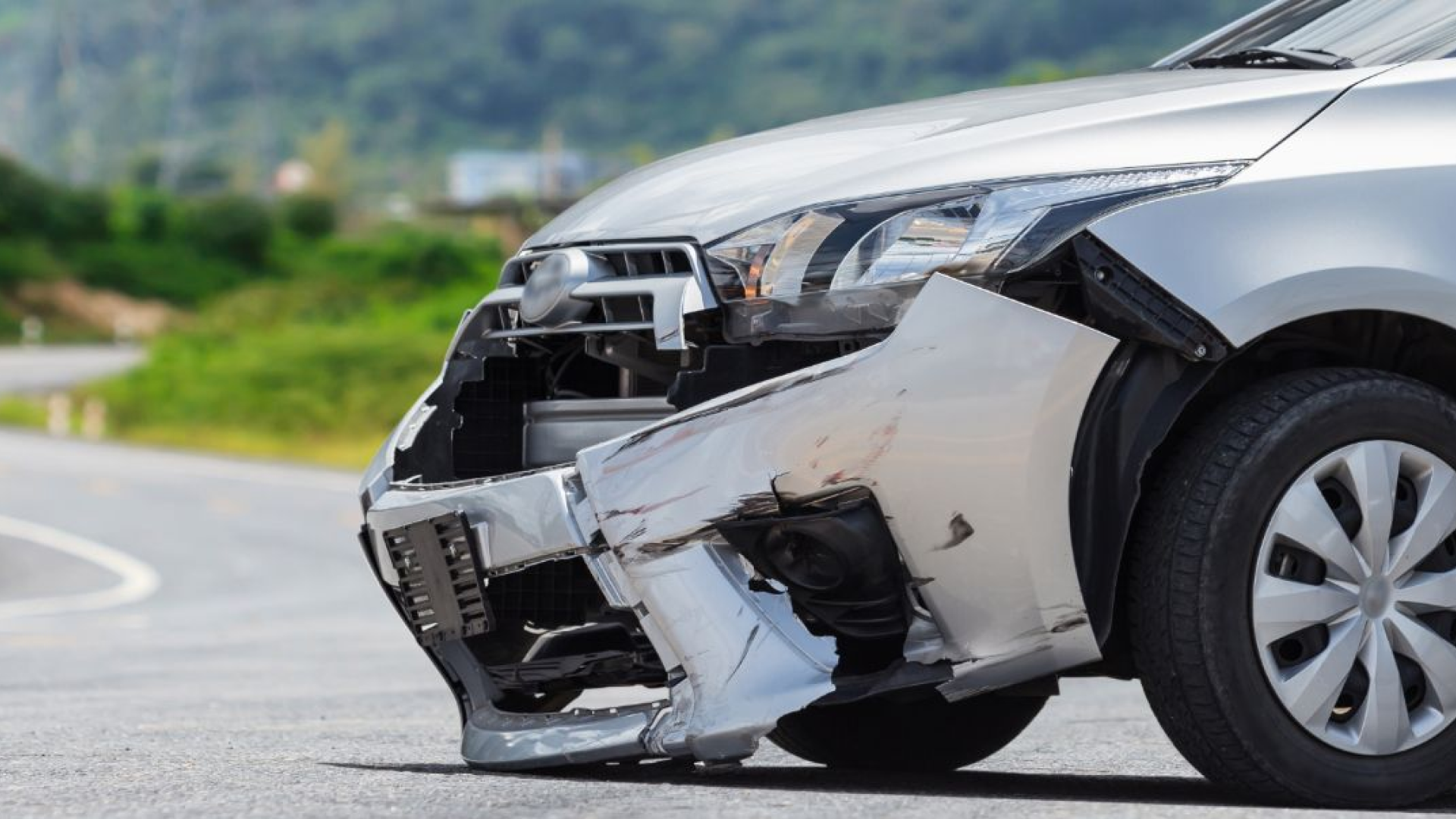
Vehicle damage always seems to happen when you least expect it. Whether it is the result of a minor fender bender, a sudden mechanical failure, or an unexpected breakdown on the highway, many drivers face the exact same dilemma: should I attempt to limp the vehicle home, or is it time to pull over and call a tow truck?
While continuing to drive a damaged car might seem like the quickest, most convenient option, it often makes internal mechanical issues worse. Operating an compromised vehicle can create severe safety hazards for you and everyone else on the road. Knowing when to stop driving and seek professional assistance is the best way to protect both your wallet and your safety.
Why Driving a Damaged Vehicle Can Be Risky
It is incredibly tempting to drive a damaged car directly to a repair shop to save time and avoid towing fees. However, cosmetic damage on the surface can easily mask severe, hidden structural or mechanical failures underneath.
Driving with unresolved damage presents several serious risks:
Compounded Mechanical Failure: Operating a vehicle with compromised parts increases wear on neighboring components, turning a minor fix into a catastrophic bill.
Sudden Loss of Control: Damage to the steering, suspension, or braking systems can lead to a sudden, unpredictable loss of handling at high speeds.
Safety Hazards: Leaking fluids can ignite on hot engine parts, while loose body panels can detach and strike other vehicles.
Secondary Breakdowns: You risk getting stranded in a far more dangerous location, such as a highway shoulder with minimal visibility.
When uncertainty arises about your vehicle's condition, relying on an experienced towing provider is always the smarter, safer choice.
Signs You Should Call a Tow Truck Immediately
Certain automotive symptoms indicate that your vehicle is no longer roadworthy. If you encounter any of the following scenarios, pull over safely and request immediate assistance.
1. The Vehicle Will Not Start
When your vehicle refuses to start, it is experiencing an underlying electrical or mechanical failure. If a dead battery is the culprit, roadside technicians can often resolve the issue right where you are. However, if the engine cranks but won’t turn over, or if it dies completely while driving, there may be an issue with the alternator, starter, or fuel system that requires shop diagnostics.
2. You Have Been Involved in an Accident
Even after a seemingly minor collision, it is crucial to evaluate whether the vehicle can be operated safely. Impacts can misalign your steering geometry, crack your radiator, or cause structural damage that rubs against your tires. If your airbags deployed, or if you notice any fluid leaks or strange handling dynamics post-impact, do not drive the vehicle.
3. The Vehicle Has Significant Tire Damage
A standard puncture can often be fixed with a quick tire change on the side of the road. However, severe tire damage requires professional transport. You should call for a tow truck if you experience:
Multiple flat or blown-out tires simultaneously.
A severely bent, cracked, or broken wheel rim.
Tire damage accompanied by a broken axle or suspension components.
Situations where your vehicle is parked on a dangerous, narrow highway shoulder where changing a tire puts your life at risk.
4. You Are Stuck and Unable to Move the Vehicle
Sometimes your vehicle is perfectly fine mechanically, but its physical location prevents you from moving. Whether you have slid into a ditch due to muddy conditions, gotten stuck in deep snow, or centered your frame over a high curb, attempting to force the vehicle out can destroy your transmission and underside components. Specialized extraction equipment is needed to retrieve your car without inflicting further structural damage.
Situations Where Roadside Assistance May Help First
Not every vehicle issue requires a flatbed tow truck. In many instances, targeted roadside interventions can resolve your problem on the spot, saving you a trip to the mechanic shop.
Dead Battery
A vehicle that won't start due to a drained battery does not necessarily need a workshop. If your lights were left on or your car sat for too long, a quick mobile boost can restore your electrical system, allowing you to drive safely to your next destination.
Running Out of Fuel
Running out of gas happens to the best of us. Instead of walking along a dangerous highway with an empty canister or leaving your vehicle unattended, an emergency fuel delivery can bring enough gasoline or diesel directly to your location to get you to the nearest service station.
Vehicle Lockouts
Locking your keys inside the cabin or trunk is incredibly frustrating, but it doesn't require moving the vehicle. Professional lockout technicians utilize specialized tools to open your vehicle safely, bypassing the locks without scratching your paint or shattering your glass.
How to Decide Between Driving and Towing
If you are on the fence about whether your vehicle is safe to operate, run through this quick three-step self-assessment:
Consider Vehicle Performance
Pay close attention to how the vehicle behaves. Are there strange grinding or whining noises? Is the steering wheel pulling violently to one side? Do the brakes feel spongy, or is the engine temperature gauge climbing into the red zone? If the car does not feel completely stable and responsive, it belongs on a tow truck.
Think About Safety First
Never prioritize short-term convenience over personal safety. A brief five-minute drive down the road might seem harmless, but if your brakes fail or your engine seizes mid-trip, you risk causing a major accident. When safety is uncertain, let a professional handle the transport.
Evaluate Your Location
Where your car breaks down matters immensely. If you are stuck in a high-traffic area, on a blind curve, or in an area with poor visibility, staying inside a malfunctioning vehicle is a major hazard. Getting professional towing assistance ensures you and your vehicle are cleared from dangerous traffic zones as quickly as possible.
Benefits of Calling a Professional Tow Truck
Prevents Additional Vehicle Damage
When a vehicle is towed rather than driven, there is zero stress placed on its internal mechanical systems. This completely eliminates the risk of overheating an already damaged engine, grinding down compromised bearings, or ruining your transmission.
Professional Equipment and Experience
Reputable towing providers possess specialized equipment designed to secure and haul vehicles of all sizes safely. From light-duty flatbeds that keep your wheels completely off the ground to heavy-duty wreckers, professional operators understand how to secure your investment properly.
Access to Comprehensive Roadside Solutions
Working with an all-in-one towing and roadside company means you get access to a versatile suite of services tailored to your exact situation. A qualified technician can evaluate your car on-scene and deploy the precise fix you need, whether that means a simple tire change or a full flatbed transport.
What to Do While Waiting for a Tow Truck
If you have determined that your car shouldn't be driven, take these immediate safety precautions while help is on the way:
Pull Over Carefully: If the vehicle is still moving, steer it as far off the active roadway as possible onto the right shoulder or into a nearby parking lot.
Increase Your Visibility: Turn on your hazard lights immediately to alert oncoming drivers, especially in low-light or rainy conditions.
Stay in a Safe Position: If you are on a busy highway, it is generally safest to remain inside your vehicle with your seatbelt fastened. If you must exit, do so from the side facing away from live traffic.
Gather Your Belongings: Collect your driver’s license, registration, insurance paperwork, and essential personal items so you are ready to depart when the truck arrives.
Frequently Asked Questions (FAQ)
Can I drive my car after a minor accident?
You should only drive your car after an accident if the damage is entirely cosmetic. If you notice fluid leaks, dashboard warning lights, strange steering sensations, or body panels rubbing against the wheels, the vehicle is unsafe and requires a tow.
Does a dead battery always mean I need a tow truck?
No. In most cases, a dead battery simply needs a professional jump-start. However, if your car stalls out again immediately after the cables are removed, your alternator may be failing, which means the vehicle will need to be towed to a repair shop.
What should I do if I run out of gas on the highway?
Pull as far onto the shoulder as possible, turn on your emergency hazards, and call for roadside fuel delivery. Avoid walking along the edge of a busy highway to find a gas station, as this poses a severe safety risk.
Can roadside assistance fix a severely blown-out tire?
Roadside assistance can install your vehicle's spare tire on the spot. However, if you have multiple flat tires, a completely ruined rim, or secondary suspension damage from the blowout, a tow truck will be necessary to transport the vehicle safely.
How do I know if my car issue requires a light-duty or heavy-duty tow truck?
Standard passenger cars, SUVs, and minivans require light-duty towing. Large commercial vehicles, box trucks, buses, and heavy machinery require heavy-duty wreckers. If you are unsure, simply inform the dispatch team of your vehicle's make and model, and they will send the correct equipment.
Conclusion
Knowing when to call a tow truck instead of driving a damaged vehicle can save you thousands of dollars in secondary repair bills and protect lives on the road. While minor issues like a lockout or an empty tank can be resolved with quick roadside assistance, major structural damage, fluid leaks, and steering failures demand professional towing. Taking a cautious, safety-first approach is always the smartest choice behind the wheel.
If your vehicle is currently disabled, damaged, or unsafe to operate, don't take unnecessary risks on the road. Explore the full range of emergency options by visiting the AMCB Towing Homepage or check out our comprehensive AMCB Towing Services to find the exact assistance you need. If you want to learn more about our team and commitment to roadside safety, read our About Us Page, or browse our AMCB Towing Blog for more expert breakdown tips. Ready for immediate assistance? Head straight to our Contact Page to get a truck dispatched to your location right away.