How to Prepare Your Vehicle Before a Long Road Trip
A long road trip can be an exciting way to travel, whether you are visiting family across state lines, heading out on a seasonal vacation, or simply exploring new scenic destinations. While mapping out your route, booking accommodations, and packing essentials often get most of the attention, preparing your vehicle is just as critical to a successful journey.
Taking the time to systematically inspect your vehicle before an extended drive drastically reduces the chances of experiencing unexpected breakdowns and stressful roadside emergencies. Even the most dependable, well-maintained vehicles can experience mechanical fatigue under the strain of continuous driving. True road trip preparation is one of the best ways to make your adventure safer, smoother, and completely stress-free.
Why Vehicle Preparation Matters
Long-distance highway travel places unique, sustained demands on your car's mechanical architecture. Hours of high-speed driving, varying road surfaces, steep elevation changes, and shifting weather patterns all test the limits of your vehicle's performance.
Proactively prepping your vehicle before departure allows you to:
Catch Small Issues Early: Discover minor leaks, worn belts, or low fluids before they cascade into major mechanical failures.
Mitigate Dangerous Emergencies: Keep your family out of high-risk situations by minimizing the risk of high-speed blowouts or engine failure.
Improve Fuel Efficiency: Correct tire pressure and a clean engine air filter optimize your gas mileage, putting money back in your pocket.
Avoid Travel Delays: Ensure your vacation schedule remains intact by preventing unscheduled detours to local mechanic shops.
Spending a small amount of time on preventative maintenance before you back out of the driveway will save you massive amounts of time, frustration, and money down the road.
Start With a General Vehicle Inspection
Before packing your luggage into the trunk, give your vehicle a comprehensive visual walk-around inspection. Park on a flat, level surface in a well-lit area and check for the following visual flags:
Exterior and Underbody Check
Look beneath the engine bay to see if any fresh pools of fluid have collected on the pavement. Keep an eye out for loose plastic underbody shields, dangling trim panels, or cracked light housings.
Fluid Levels and Belts
Pop the hood and pull the dipsticks to check your engine oil, transmission fluid, coolant reservoir, brake fluid, and windshield washer fluid. Additionally, inspect your serpentine belts for any signs of cracking, fraying, or structural dry rot. If you aren't sure what to look for, reviewing common car problems that require immediate towing can help you identify subtle warning flags before you set off.
Check Your Tires Formally
Your tires represent the single point of physical contact between your vehicle and the road surface, making them your most vital safety feature.
Inspect Tire Condition and Tread
Examine the sidewalls of all four tires for dangerous bulges, deep cracks, cuts, or embedded road debris like nails or screws. Check your tread depth using the penny test; if your tread wear is uneven, your vehicle likely requires a wheel alignment before hitting the highway. Failing to address uneven wear can lead to a sudden blowout, requiring a read-through of our step-by-step safety guide for a flat tire on the road.
Verify Tire Pressure
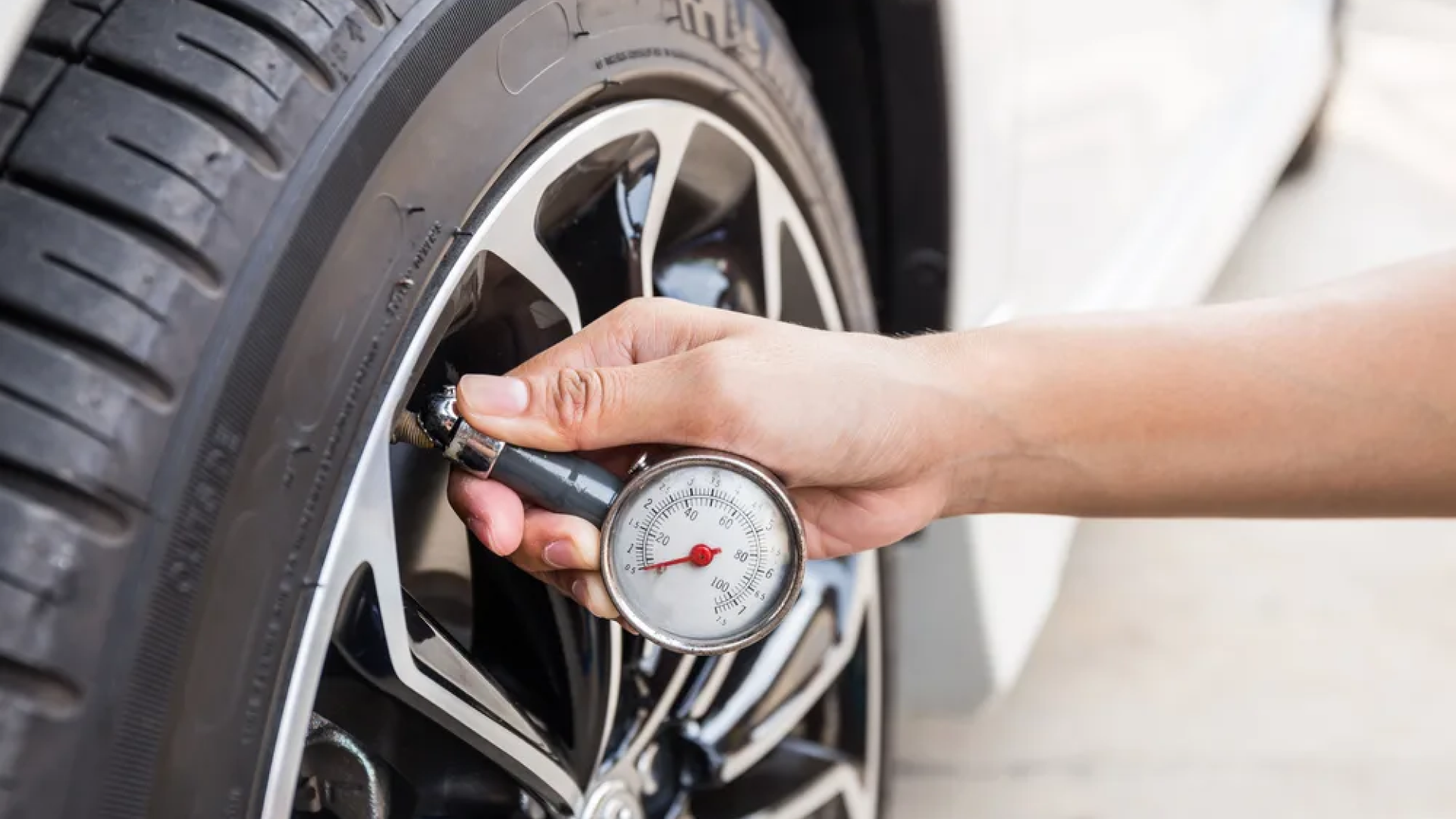
Fluctuating regional temperatures will cause your tire pressure to change. Use a reliable digital tire gauge to check the pounds per square inch (PSI) when the tires are cold. Always inflate your tires according to the manufacturer’s specifications listed on the driver’s side door jamb placard—not the maximum pressure stamped on the tire sidewall itself.
Don't Forget the Spare Tire
Many drivers meticulously check their main wheels but completely forget about the emergency wheel hidden beneath the trunk floor. Ensure your spare tire is inflated to its proper specification, and confirm that your mechanical jack, lug wrench, and wheel lock key are accounted for and functional.
+------------------------+---------------------------------------+
| Pre-Trip Check Item    | Correct Target State                  |
+------------------------+---------------------------------------+
| Motor Oil & Fluids     | Filled to the designated "Full" line   |
+------------------------+---------------------------------------+
| Tire Pressure (Cold)   | Matches the driver's door jamb sticker|
+------------------------+---------------------------------------+
| Battery Terminals      | Clean, tight, and free of corrosion   |
+------------------------+---------------------------------------+
Make Sure Your Battery Is Ready
Battery structural failures stand as one of the single most frequent causes of highway breakdowns. High summer heat drains internal battery fluids, while extreme winter cold hampers chemical reactions, both of which can leave you stranded.
Before departing, check out our guide on dead battery warning signs and when to call a jumpstart service. Look closely at your battery casing for any white, powdery blue corrosion building up around the positive and negative terminals. Ensure the cable clamps are tightly fastened and cannot be twisted by hand. If your engine has experienced slow or sluggish cranks recently, it is a clear sign your car battery is about to die, and it should be tested or replaced immediately.
Verify Fuel Levels and Plan Ahead
Running completely out of gas along an unfamiliar, isolated highway will bring your road trip to an abrupt, stressful halt. While you can always rely on mobile assistance to bring fuel directly to your location, proactive route planning is always the safer, more streamlined approach.
To manage your fuel supply effectively:
Begin your trip with a completely full tank of fuel.
Research your route ahead of time to identify long stretches of highway that lack service stations, particularly through rural or mountainous terrain.
Never let your fuel gauge drop below a quarter of a tank before looking for a gas station.
If your vehicle leaves you stranded due to an empty tank, understanding how an emergency fuel delivery service works can help get you back en route quickly.
Crucial Roadside Safety Tip: If your vehicle experiences a sudden mechanical failure on an interstate, always read up on what to do when your car breaks down on the road. Your immediate priority should be moving the vehicle completely out of live traffic lanes.
Confirm You Have Access to Roadside Assistance
Even with meticulous mechanical preparation, unpredictable issues like road debris punctures, sudden component failures, or stray electrical errors can still occur. Having immediate access to a trusted, professional emergency provider offers an indispensable safety net.
Educating yourself on how roadside assistance saves time and stress helps you realize the value of professional help. A dedicated dispatch team can rapidly handle an array of common highway disruptions, saving you from navigating a crisis completely alone.
Check Your Vehicle Keys
Carry a Spare Key When Possible
Vehicle lockouts frequently happen during long road trips because drivers are out of their normal routines and managing distracting packing schedules. Whenever possible, give a physical spare key to a responsible passenger or store it securely in a separate pocket or purse.
Avoid Common Lockout Situations
Get into the firm habit of holding your physical key fob in your hand every single time you step out of the car to pump gas, buy snacks, or check a map. If you do find your vehicle locked tight with the keys resting on the driver's seat, understanding why professional lockout services are better than DIY will save you from scratching your paint or damaging your window regulators with improvised tools. If a mistake happens, read up on what you should do when locked out of your car to get back inside safely.
Review Your Emergency Supplies
A well-prepared roadside kit ensures that if you face an unexpected highway delay, you can wait for help in total safety and relative comfort.
Take a moment to review what to keep in your car for emergency situations, including items like:
A high-output LED flashlight with extra batteries.
A premium phone charger and a fully charged external power bank.
A first-aid kit containing bandages, antiseptics, and essential medications.
Plenty of bottled drinking water and non-perishable travel snacks for all passengers.
Reflective safety triangles or emergency road flares to mark your vehicle at night.
What to Do If Trouble Occurs During Your Trip
If your car begins to malfunction or flash warning lights while you are traveling, follow these vital safety protocols:
Navigate to Safety: Immediately signal, change lanes carefully, and exit the main roadway or pull as far onto the right-hand shoulder as physically possible.
Maximize Your Visibility: Activate your vehicle's emergency hazard lights immediately to warn oncoming traffic, and study up on how to stay safe while waiting for a tow truck.
Evaluate Your Vehicle: Determine if the problem can be fixed with a simple mobile roadside service or if your vehicle requires a full mechanical transport.
Call for Support: Reach out to a certified provider who can deploy the correct type of assistance. If your vehicle is entirely immobilized or has slid down an embankment, knowing what winching is and when it is needed will help you explain the recovery situation clearly to the dispatch team.
Frequently Asked Questions (FAQ)
What are the top mistakes drivers make when their car breaks down?
The most dangerous errors include standing directly behind a disabled car on a busy highway or attempting to perform complex mechanical repairs on a narrow shoulder. To learn how to protect yourself, read our breakdown on the top mistakes drivers make during a breakdown.
How do I know if my travel vehicle requires a light-duty or heavy-duty tow truck?
Standard consumer vehicles like sedans, crossover SUVs, and light pickup trucks use light flatbed tow trucks. Large commercial RVs, trailers, or heavy freight vehicles require specialized wreckers. You can read all about the core technical variations in our guide to light-duty vs. heavy-duty towing differences.
Why is a rapid response time so critical when ordering a tow truck on a trip?
Being stuck on the side of a fast-moving highway exposes you to severe collision risks from distracted drivers. Reading about why a fast response time matters in emergency towing underscores why you should always work with a prompt, reliable provider.
What should I look for when choosing a local towing company while traveling?
Look for providers that hold proper certifications, carry comprehensive insurance, and maintain positive customer reviews. For a full breakdown of selection criteria, consult our article on how to choose the right towing company near you.
Is it safe to drive my motorcycle long distances without a pre-trip check?
Absolutely not. Motorcycles are highly sensitive to tire pressure changes and chain wear. If your bike suffers a mechanical failure mid-trip, you will need a specialized flatbed with motorcycle brackets. Learn more by reading our guide on how to transport your bike safely with motorcycle towing.
Conclusion
Preparing your vehicle systematically before starting a long road trip is one of the most effective ways to guarantee a safe, predictable, and enjoyable travel experience. By thoroughly inspecting your tire treads, ensuring your battery connections are secure, checking vital fluids, packing emergency supplies, and planning your fueling points, you drastically minimize your exposure to unexpected roadside emergencies.
While it's impossible to predict every single variable on the open road, taking these foundational preventative steps allows you to drive off toward your destination with absolute confidence and peace of mind.
If you ever experience an unexpected breakdown, dead battery, or flat tire during your travels, remember that expert assistance is always within reach. Explore our complete range of roadside safety solutions by visiting the AMCB Towing Homepage or look through our specialized AMCB Towing Services to find the exact help you need. To learn more about our operational standards and background, check out our About Us Page, or visit our main AMCB Towing Blog for more expert automotive guides. If you are currently facing a roadside issue and need immediate help, navigate directly to our Contact Page to get a professional technician dispatched to your location right now!