Signs Your Car Battery Is About to Die
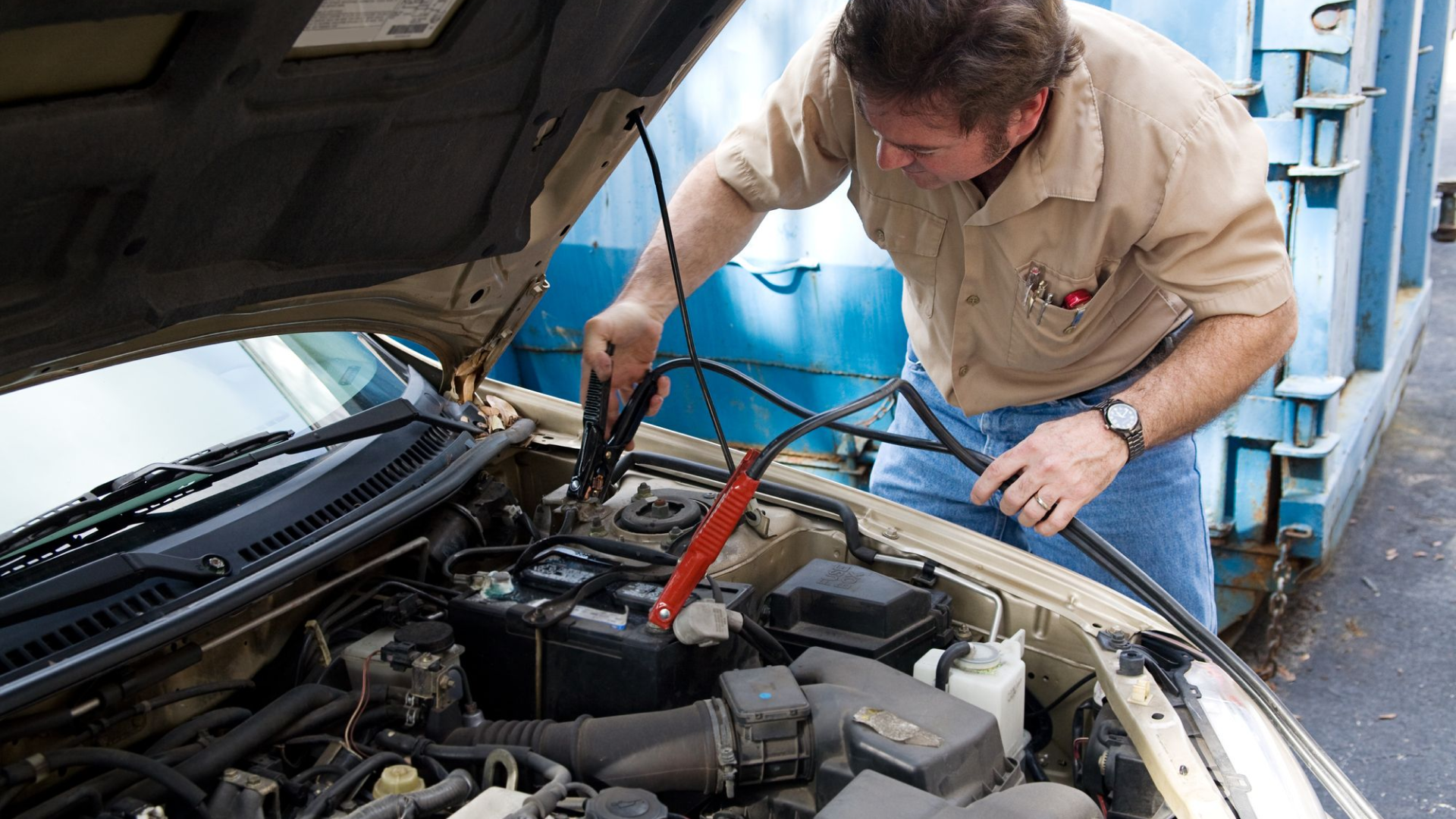
Few vehicle problems are as frustrating as turning the key or pressing the start button and realizing your car will not start. A weak or failing battery can leave you stranded at home, at work, or in the middle of a busy day.
The good news is that a dying battery often gives warning signs before it completely fails. Recognizing these early symptoms can help you avoid an unexpected breakdown and know exactly what to do when your car breaks down on the road.
At AMCB Towing LLC, helping drivers with battery-related emergencies is a core part of our mission. You can read more about us to see how our team prioritizes rapid, safe roadside intervention. Along with emergency towing, lockout assistance, fuel delivery, and tire changes, our team provides prompt jump-start services to get you moving again.
Why Your Car Battery Matters
Your car battery supplies the electrical surge needed to engage the starter motor and fire up the engine. Once the vehicle is running, the alternator takes over, but the battery continues to act as a voltage stabilizer and supports your vehicle's electrical systems when demand is high.
While batteries naturally degrade over time, paying attention to early warning signals helps you resolve the issue before you are left completely stranded.
1. The Engine Is Slow to Start
One of the most common signs of a weak battery is a slow engine crank. Instead of firing up instantly, you might notice that the engine turns over sluggishly or drags before finally catching. This symptom is a primary indicator among the common car problems that require immediate towing or immediate battery testing if it happens repeatedly.
2. Your Vehicle Needs Frequent Jump Starts
Needing a single jump start because you accidentally left an interior light on overnight does not necessarily mean your battery is ruined. However, if you find yourself needing a jump start multiple times in a single week, your battery is likely incapable of holding a charge.
AMCB Towing LLC provides 24/7 towing services alongside round-the-clock roadside battery assistance, ensuring you are never left without a lifeline when your starting system fails.
3. Dim Lights and Weak Electrical Performance
Because your battery anchors the electrical grid when the vehicle is idling or starting, a weakening cell struggles to supply adequate voltage. You might notice:
Dimming headlights when you stop at intersections
Flickering or weak interior cabin lights
Power windows that roll up significantly slower than usual
Delayed or erratic dashboard accessory displays
These symptoms are among the top reasons you might need roadside assistance to avoid a sudden electrical failure while driving.
4. A Clicking Sound When Turning the Key
If you turn your key or press the ignition button and hear a rapid clicking sound, it means your battery has just enough power to trigger the starter solenoid, but not enough power to spin the starter motor itself. This distinct sound is one of the most definitive signs that your starting system is completely drained.
5. Dashboard Warning Lights Appear
Modern automotive computer networks are highly sensitive to voltage drops. If your battery or alternator output dips below standard thresholds, your vehicle's onboard diagnostics will illuminate a battery-shaped silhouette or a general check engine light on your dashboard. Ignoring these alert indicators can quickly compound into more severe mechanical failures.
6. Your Battery Is Several Years Old
Standard automotive lead-acid batteries typically have a reliable lifespan of three to five years. Factors like extreme seasonal weather changes and short driving trips can shorten this lifespan considerably. Keeping track of installation dates allows you to proactively replace an aging unit before it leaves you stranded.
7. Unpredictable Starting Behavior
A failing battery can become highly erratic. Your vehicle might crank perfectly fine for three days in a row, only to completely refuse to turn over on the fourth morning. This inconsistent performance indicates that the internal cells are degrading rapidly and can no longer stabilize power predictably.
What Should You Do If Your Battery Dies?
If your battery gives out unexpectedly, handling the situation with a clear plan minimizes stress and keeps you out of harm's way. Understanding how roadside assistance saves time and stress starts with these core safety rules:
Move to a Safe Location: If your vehicle stalls or fails to restart in an active lane, safely coast or guide it to a wide shoulder or a nearby parking lot if residual momentum allows.
Activate Your Hazards: Instantly flip on your emergency flashers to maximize your visibility to other motorists, especially at night or during heavy rainfall.
Call for Professional Help: Rather than risking damage to your vehicle's sensitive electronic control units (ECUs) with improper DIY cables, contact an expert.
Provide Clear Location Data: Share your precise location, vehicle model, and exact symptoms with the dispatcher so they can send the right service vehicle.
When a Jump Start May Not Be Enough
A quick jump start is an excellent temporary fix, but it does not always solve the underlying problem. Knowing the technical thresholds of your battery can help you figure out your next steps:
Battery ConditionImmediate ResultLong-Term SolutionAccidentally Drained (Lights left on)Vehicle starts and stays running via alternatorDrive for 30 minutes to fully recharge the cellDead/Degraded Cells (Internal wear)Vehicle starts but dies right after cables are removedComplete battery replacement requiredFaulty Alternator (Charging system failure)Battery drains rapidly while drivingAlternator replacement and professional towing service
If your vehicle fails to hold a charge after a professional jump, your vehicle may need to be transported. AMCB Towing LLC offers seamless local vs long-distance towing options to deliver your vehicle directly to your trusted local mechanic or a regional dealership for specialized electrical repair.
Why Professional Roadside Assistance Matters
When your battery fails, it rarely happens in a convenient location. It could happen in your home driveway, a crowded grocery store parking lot, or a dark highway shoulder. Utilizing a professional service ensures safety, speed, and accuracy.
Choosing an established team guarantees that you benefit from the safety protections of a fully licensed operation, as outlined in our guide on the benefits of hiring licensed and insured towing services.
What You Get with AMCB Towing LLC:
Safe Jump-Start Protocols: We utilize professional-grade jump packs that prevent dangerous electrical power surges from frying your car’s computers.
Comprehensive Equipment: From standard passenger vehicles to two-wheeled vehicles that require delicate motorcycle towing setups, we carry specialized transport gear.
Advanced Recovery Tools: If your vehicle has rolled off the pavement due to a sudden power loss, we provide precise winching services to pull your vehicle back onto solid ground safely.
Heavy-Duty Operations: We manage commercial assets, offering specialized heavy-duty towing for large trucks, buses, and heavy machinery.
To make sure you are fully prepared for any unforeseen roadside issues, review our recommended safety list detailing what to keep in your car for emergency situations so you can wait for your technician in comfort.
Frequently Asked Questions
What is the most common sign of a failing battery?
The single most prevalent warning sign is a sluggish, slow engine crank when you turn the key or press the start button.
Can a car battery die completely without warning?
While some batteries short out internally and fail instantly, the majority will give clear warning signs—such as dimming lights, slow starting times, or erratic electrical issues—weeks before completely dying. Knowing the signs of a dead battery and when to call for a jumpstart can help you avoid getting stranded.
Does needing a single jump start mean I need a brand-new battery?
Not necessarily. If your battery drained because an accessory was left on, a jump start and a long drive can often restore it. However, if it dies repeatedly with no clear cause, the battery needs to be replaced.
What happens if I lock my keys inside my car while checking the battery?
Don't panic. AMCB Towing LLC offers damage-free lockout services to open your doors safely, highlighting why professional lockout services are better than DIY coat-hanger attempts.
Does AMCB Towing LLC handle roadside flat tires too?
Yes. If you experience a blowout alongside your battery problems, our technicians provide roadside flat tire assistance and emergency fuel delivery services to cover all your roadside needs.
Conclusion
A failing car battery rarely happens at a convenient time, but recognizing the early warning signs can keep you from getting stuck. Sluggish engine starts, dimming lights, a clicking ignition, and unpredictable electrical behavior are all indicators that your vehicle's electrical system needs immediate attention.
If your vehicle won't start or your battery gives out completely, turning to an expert team ensures a fast, damage-free resolution. To learn more about our operational standards, check out our guide on how towing services ensure vehicle safety during transport. We also assist local municipalities and property owners with abandoned vehicle removal to keep local roads safe.
To see our full range of solutions, explore our comprehensive services list, or browse our dedicated blog page for more expert safety tips.
If you are currently stranded or need immediate help with a dead battery, please contact us at AMCB Towing LLC. Our roadside dispatchers are available 24 hours a day, 7 days a week, to get you back on the road safely.