Light-Duty vs Heavy-Duty Towing: What’s the Difference?
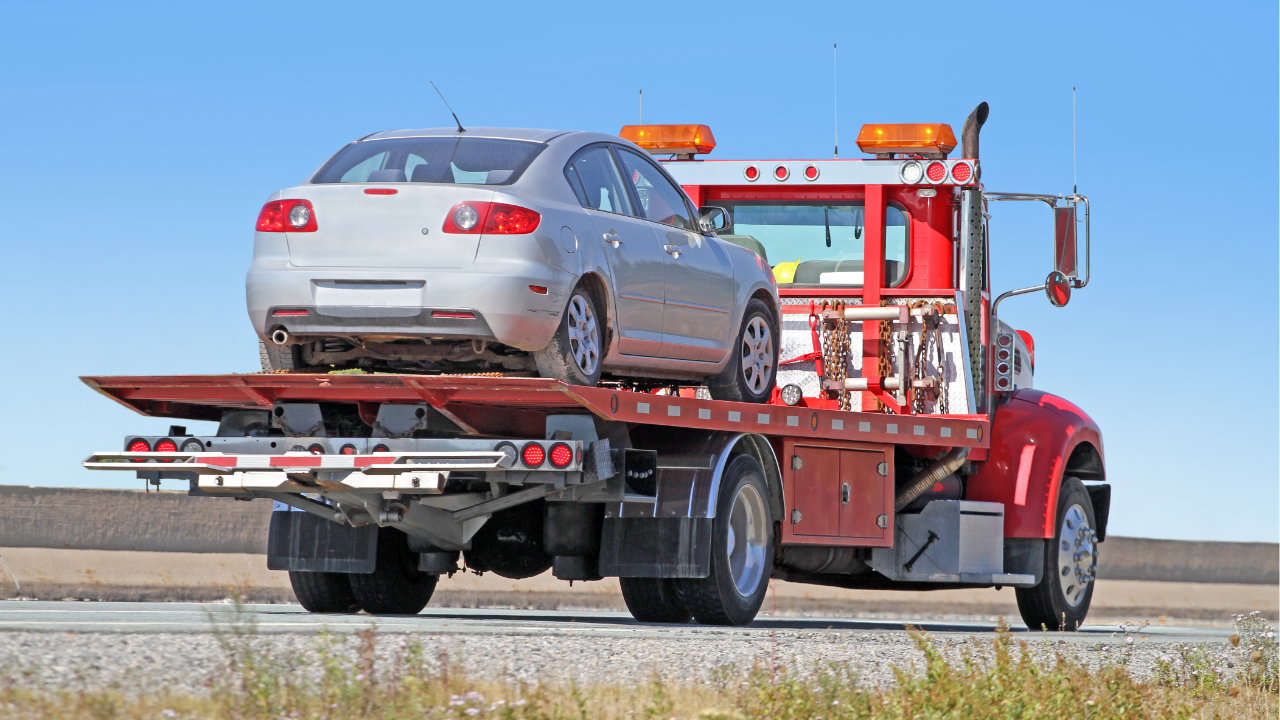
Not all towing jobs are the same. Depending on the size and type of the vehicle, the equipment and approach required can vary significantly. Understanding the difference between light-duty and heavy-duty towing helps you make the right call when you need assistance. With a trusted local provider like AMCB Towing, you can be confident your vehicle is handled with the right level of care and professionalism.
What Is Light-Duty Towing?
Light-duty towing is designed for smaller, everyday vehicles. This is the most common type of towing service and is typically used for standard roadside situations.
Common Vehicles for Light-Duty Towing
Light-duty towing is ideal for:
Passenger cars
Sedans
Small SUVs
Motorcycles
These vehicles are lighter in weight and easier to transport using standard towing equipment.
When Light-Duty Towing Is Needed
You may need light-duty towing if your vehicle breaks down, will not start, or is no longer safe to drive. It is also commonly used after minor accidents or when a car needs to be moved to a repair location.
For situations like these, professional towing services ensure your vehicle is handled carefully from pickup to drop-off.
What Is Heavy-Duty Towing?
Heavy-duty towing is used for larger and heavier vehicles that require specialized equipment and more advanced handling.
Common Vehicles for Heavy-Duty Towing
Heavy-duty towing typically applies to:
Large trucks
Commercial vehicles
Oversized vehicles
These vehicles require stronger tow trucks and experienced operators to manage their size and weight safely.
When Heavy-Duty Towing Is Required
Heavy-duty towing is necessary when a larger vehicle breaks down or cannot be moved safely on its own. Due to the complexity involved, it is important to rely on a professional towing provider with the right expertise. You can learn more about the team’s experience by visiting their company background.
Key Differences Between Light-Duty and Heavy-Duty Towing
While both services aim to move a vehicle safely, there are some important differences to keep in mind.
Equipment Used
Light-duty towing uses standard tow trucks designed for smaller vehicles. Heavy-duty towing requires more powerful equipment built to handle greater weight and larger vehicle sizes.
Level of Expertise
Handling larger vehicles requires additional experience and training. Heavy-duty towing involves more complex procedures, making professional expertise even more important.
Type of Situations
Light-duty towing is more common for everyday breakdowns and minor roadside issues. Heavy-duty towing is typically used for commercial or oversized vehicles that need specialized handling.
Why Choosing the Right Towing Service Matters
Selecting the correct type of towing service ensures your vehicle is transported safely and efficiently. Using the wrong equipment or approach can lead to unnecessary damage or delays.
Having access to a reliable team makes this decision easier, especially when you can quickly reach out through a dedicated contact page during an emergency.
Dependable Local Towing You Can Trust
When you are dealing with a breakdown or vehicle issue, the last thing you want is confusion about what kind of help you need. Understanding the difference between light-duty and heavy-duty towing helps you make informed decisions quickly.
With support from AMCB Towing, you can count on professional service, careful handling, and a smooth towing process from start to finish.
Final Thoughts
Light-duty and heavy-duty towing serve different purposes, but both are essential for keeping drivers safe on the road. Knowing which service fits your situation helps ensure your vehicle is transported the right way.
If you ever find yourself in need of towing assistance, choosing a reliable local provider ensures you get the right help at the right time.