How Weather Conditions Affect Vehicle Breakdowns and Recovery Services
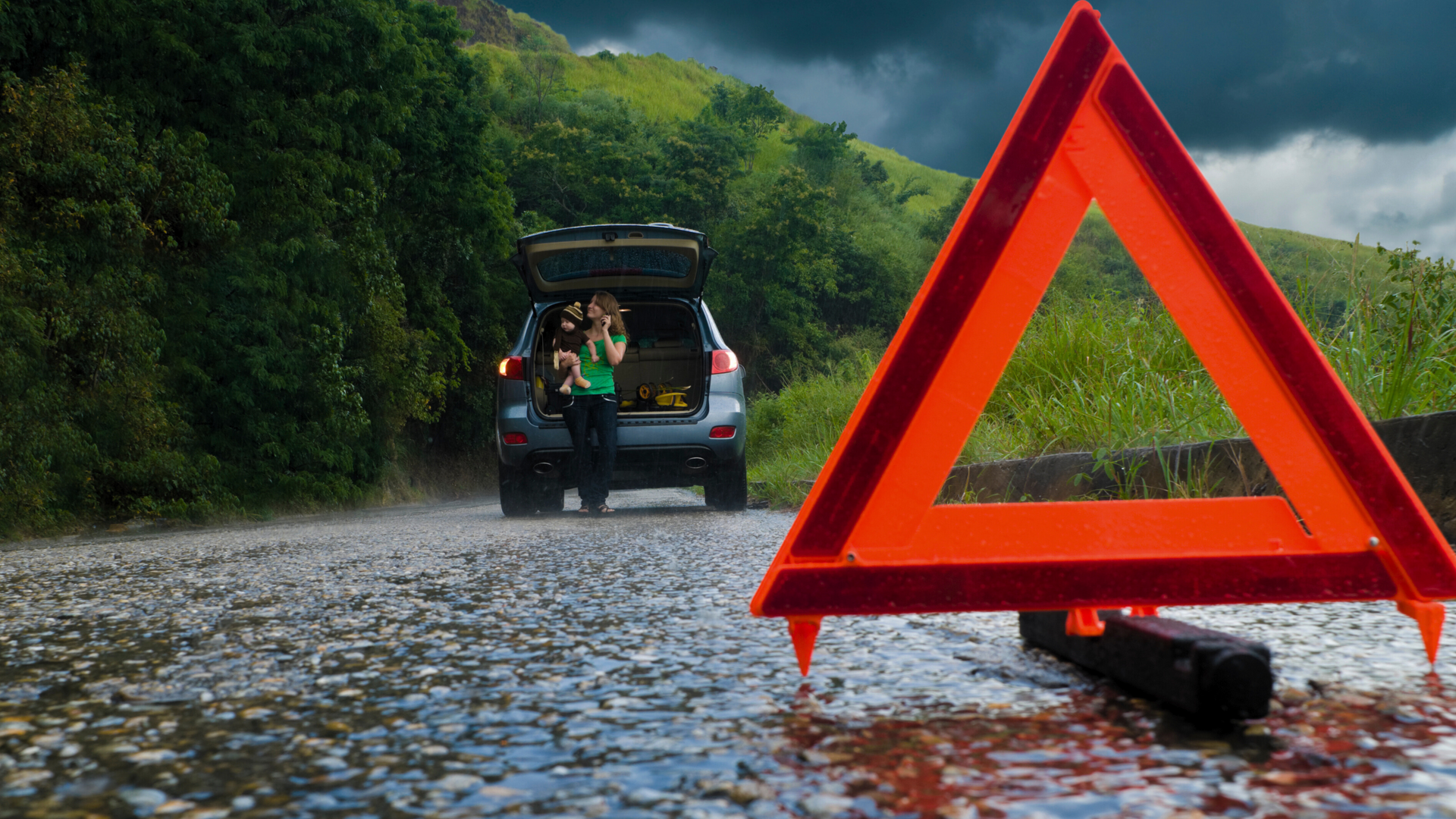
Weather can have a significant impact on vehicle performance and road safety. While many drivers focus on traffic conditions before heading out, changing weather can also increase the likelihood of breakdowns, roadside emergencies, and situations that require professional towing or roadside assistance.
From heavy rain and strong winds to extreme temperatures, weather-related conditions can place additional stress on both drivers and vehicles. Understanding how weather affects vehicle reliability can help you prepare for unexpected situations and know when to seek professional assistance.
For drivers who find themselves stranded due to weather-related vehicle problems, services such as towing, jump starts, tire changes, fuel delivery, lockout assistance, and vehicle recovery can provide valuable support when it is needed most. Learning how to choose the right towing company near you before severe weather strikes ensures you always know who to call.
Why Weather Plays a Major Role in Vehicle Problems
Vehicles operate in a variety of environments throughout the year. Changes in temperature, road conditions, and visibility can affect both vehicle performance and driver safety.
Weather-related factors can:
Increase strain on vehicle systems
Reduce traction and vehicle control
Contribute to roadside emergencies
Make recovery operations more challenging
Increase the likelihood of breakdowns
While proper vehicle maintenance is important, even well-maintained vehicles can experience problems when exposed to difficult weather conditions. Understanding the top reasons you might need roadside assistance helps clarify how environmental strain leads to common mechanical unexpectedness.
How Rain Can Contribute to Vehicle Issues
Reduced Traction and Control
Rain creates slippery road conditions that can affect how a vehicle handles. Wet roads may reduce tire grip, making it more difficult to stop, steer, or maintain control. Drivers who encounter these conditions may become involved in incidents that require roadside assistance or towing services.
Increased Risk of Roadside Emergencies
Heavy rainfall can make driving conditions more challenging by reducing visibility and increasing stopping distances. When weather conditions make driving unsafe, vehicles may become disabled, stuck, or involved in situations where professional assistance is necessary. If you must pull over, knowing how to stay safe while waiting for a tow truck is vital for visibility in low-light rainstorms.
The Impact of Extreme Heat on Vehicles
Added Stress on Vehicle Components
Hot weather can place additional demands on vehicle systems, especially during long drives. Vehicles operating in high temperatures often work harder, particularly when drivers spend extended periods on the road.
Increased Chance of Breakdowns During Travel
Summer travel frequently means longer trips and increased vehicle usage. When a vehicle develops a problem during hot weather, roadside assistance and towing services can help drivers safely address the situation without risking further complications. It is always wise to learn how to prepare your vehicle before a long road trip to handle summer temperatures effectively.
How Cold Weather Can Affect Vehicle Reliability
Battery Performance Challenges
Cold temperatures can make vehicle starting issues more noticeable. Drivers may discover battery-related problems when attempting to start their vehicle, especially after it has been parked for an extended period.
Paying attention to the signs your car battery is about to die can help you avoid being stranded, though professional jump-start services are available to help restore operation and get drivers moving again.
Tire-Related Concerns
Temperature changes can affect tire performance, causing rapid drops in pressure. Drivers who experience tire issues during colder weather may require tire change assistance or, in some situations, towing if the vehicle cannot be safely driven.
Strong Winds and Driving Hazards
Reduced Vehicle Stability
Strong winds can make it more difficult to maintain control, particularly on open roads or when driving high-profile vehicles. Drivers may need to adjust their driving habits when conditions become windy.
Increased Debris on Roadways
Windy weather can also result in debris appearing on roadways. Road hazards may contribute to vehicle damage, flat tires, or other issues that leave drivers in need of roadside assistance.
Weather and Vehicle Recovery Situations
Vehicles Becoming Stuck
Certain weather conditions can increase the likelihood of vehicles becoming stuck in mud, ditches, or wet terrain and unable to move normally. When this occurs, attempting to free the vehicle without proper equipment may increase the risk of damage. Professional recovery services utilize tools like winching to safely remove vehicles from difficult situations and prepare them for transportation if necessary.
Challenging Recovery Conditions
Weather can make recovery operations more complex. Reduced visibility, slippery surfaces, and changing road conditions often require additional care when recovering disabled vehicles. Professional towing and recovery providers use specialized equipment and experience to handle these situations safely, demonstrating how towing services ensure vehicle safety during transport.
How Weather Affects Roadside Assistance Calls
Certain weather conditions can lead to an increase in roadside assistance requests. Common weather-related service calls may involve:
Dead batteries requiring jump starts
Flat tires requiring tire changes
Vehicles that have run out of fuel, which can be resolved via emergency fuel delivery
Vehicle lockouts requiring professional lockout assistance
Disabled vehicles needing towing
Recovery assistance for stuck vehicles
Because weather can create unpredictable situations, having access to professional roadside assistance can provide added peace of mind.
Preparing Your Vehicle for Changing Weather Conditions
While weather cannot be controlled, drivers can take steps to improve preparedness.
Inspect Tires Regularly
Checking tire condition before traveling can help identify issues before they become roadside emergencies.
Monitor Battery Condition
Paying attention to battery performance can reduce the likelihood of unexpected starting problems.
Keep Fuel Levels Adequate
Running out of fuel during severe weather can make an already difficult situation more stressful.
Stay Alert to Vehicle Warning Signs
Unusual noises, handling issues, or starting problems should never be ignored, particularly when challenging weather conditions are expected. Reviewing the 10 warning signs your vehicle is no longer safe to drive can help you make a proactive decision before a total breakdown occurs.
When Should You Call for Towing Instead of Continuing to Drive?
Weather-related vehicle issues sometimes create situations where continuing to drive may not be safe. Consider seeking professional assistance if:
The vehicle will not start
The vehicle has been involved in an accident
Tire damage prevents safe operation
The vehicle becomes stuck
Driving conditions create significant safety concerns
You are unsure whether the vehicle can be operated safely
Professional towing can help reduce risks and prevent additional damage when conditions are uncertain, emphasizing why fast response time matters in emergency towing.
The Importance of Professional Recovery and Towing Services
Weather-related breakdowns often occur unexpectedly and can create stressful situations. Professional towing and roadside assistance services help by:
Providing assistance when vehicles become disabled
Offering jump-start services
Assisting with flat tires
Delivering fuel when needed
Helping with vehicle lockouts
Recovering stuck vehicles
Transporting vehicles safely when driving is no longer possible
Having access to these services can make a difficult situation easier to manage.
FAQ
How does rain affect vehicle breakdowns?
Rain can reduce traction, limit visibility, and contribute to driving conditions that increase the likelihood of roadside emergencies.
Can hot weather affect vehicle performance?
Yes. High temperatures can place additional demands on vehicle systems, especially during long trips and periods of extended use.
Why are battery problems more common in cold weather?
Cold temperatures can make starting issues more noticeable and may contribute to battery-related difficulties.
What should I do if my vehicle becomes stuck during severe weather?
Avoid attempting to force the vehicle free. Professional recovery assistance can help remove the vehicle safely.
When should I call a towing company during bad weather?
If your vehicle cannot be safely driven, will not start, has sustained damage, or becomes stuck, professional towing may be the safest solution.
Conclusion
Weather conditions can affect both vehicle reliability and road safety in many ways. Rain, extreme temperatures, strong winds, and other environmental factors can increase the likelihood of breakdowns, roadside emergencies, and situations requiring vehicle recovery.
Understanding how weather affects your vehicle can help you prepare for changing conditions and recognize when professional assistance is needed. When unexpected problems occur, having access to dependable towing and roadside assistance services can help you return to safety more quickly and with less stress.
Contact AMCB Towing for Professional Roadside Assistance and Recovery Services
Whether you need towing, roadside assistance, jump-start service, tire change assistance, fuel delivery, lockout assistance, or vehicle recovery, AMCB Towing is ready to help. Contact AMCB Towing for dependable support when weather-related vehicle problems leave you stranded or in need of professional assistance.