Understanding Different Types of Tow Trucks and Their Uses
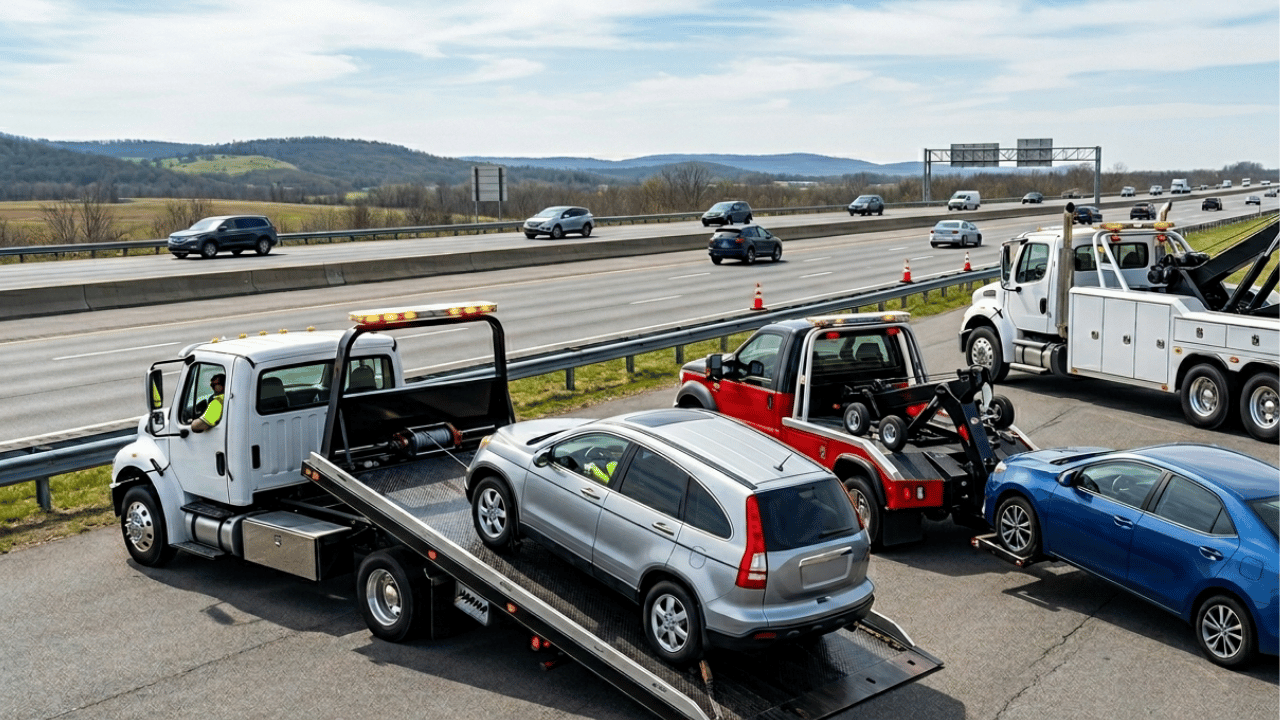
When most people think about towing services, they simply picture a tow truck arriving to transport a disabled vehicle. However, not all tow trucks are the same. Different situations may require different towing equipment depending on the vehicle's condition, location, and transportation needs.
Whether a vehicle has broken down, been involved in an accident, or needs professional transport, understanding the different types of tow trucks can help drivers better appreciate how towing services work.
Professional towing companies use specialized equipment to safely move vehicles while helping minimize the risk of additional damage. Choosing the right towing method is an important part of providing safe and efficient service.
Why Different Tow Trucks Are Needed
Vehicles come in many shapes, sizes, and conditions. A towing solution that works well for one situation may not be appropriate for another.
Factors that can influence the type of towing equipment used include:
Vehicle condition
Vehicle size
Vehicle location
Whether the vehicle can roll freely
Roadside conditions
Recovery requirements
Using the proper towing equipment helps ensure the vehicle is transported as safely as possible.
The Role of Professional Towing Services
When a vehicle becomes disabled, many drivers focus only on getting it moved. However, the process involves more than simply attaching a vehicle to a truck.
Professional towing services help:
Move inoperable vehicles
Assist drivers during roadside emergencies
Recover stuck vehicles
Transport vehicles safely
Reduce the risk of additional damage
The type of tow truck selected depends on the specific circumstances of the service call.
Flatbed Tow Trucks
How Flatbed Towing Works
Flatbed tow trucks use a large platform that allows the vehicle to be loaded completely onto the truck. Once secured, the entire vehicle is transported on the flatbed rather than rolling on its own wheels.
Common Uses for Flatbed Towing
Flatbed towing is often used when:
A vehicle cannot be safely driven
A vehicle has experienced significant damage
A vehicle needs secure transportation
Wheel-related issues prevent normal towing methods
Because the vehicle is fully supported during transport, flatbed towing is commonly chosen when additional care is needed.
Benefits of Flatbed Towing
Advantages may include:
Reduced contact between the vehicle and the road
Stable transportation
Suitable for many disabled vehicles
Helpful when a vehicle cannot roll normally
Wheel-Lift Tow Trucks
How Wheel-Lift Towing Works
Wheel-lift tow trucks lift one end of the vehicle while the remaining wheels stay on the ground during transport. The lifting mechanism supports either the front or rear wheels depending on the situation.
Common Uses for Wheel-Lift Towing
Wheel-lift towing may be appropriate when:
A vehicle needs relocation
Space is limited
The vehicle can still roll on its remaining wheels
A quick towing solution is needed
Benefits of Wheel-Lift Tow Trucks
Some advantages include:
Efficient vehicle loading
Versatility for many towing situations
Ability to operate in areas where larger equipment may be less practical
Recovery Tow Trucks
Designed for Vehicle Recovery Situations
Not every service call involves a vehicle that is simply parked and ready to be towed. Recovery situations can occur when vehicles become:
Stuck
Immobilized
Difficult to access
Specialized recovery equipment may be needed to safely reposition the vehicle before transportation can occur.
Why Recovery Equipment Matters
Attempting to move a stuck vehicle without proper equipment can increase the risk of vehicle damage. Professional recovery services focus on safely removing the vehicle while minimizing additional complications.
Emergency Towing Situations
Accidents
Following an accident, a vehicle may not be safe to drive. Professional towing services help transport vehicles from the scene when normal operation is no longer possible.
Mechanical Breakdowns
A mechanical issue can leave a driver stranded unexpectedly. Towing services help move disabled vehicles when roadside repairs are not possible.
Unsafe Driving Conditions
When a vehicle's condition creates uncertainty or safety concerns, towing can provide a safer alternative to continuing to drive.
Roadside Assistance and Towing Often Work Together
Many drivers assume every vehicle problem requires a tow truck. In reality, roadside assistance can often resolve certain issues without transporting the vehicle.
AMCB Towing provides roadside assistance services that may help with common problems such as:
If these services resolve the issue, towing may not be necessary. However, when the vehicle remains inoperable or unsafe to drive, towing becomes the next step.
When Towing Is the Safer Option
Drivers sometimes attempt to continue operating a vehicle after a breakdown or incident. In many situations, towing may be the safer choice, particularly when:
The vehicle will not start
There is accident-related damage
Tire damage prevents safe driving
The vehicle cannot move normally
Safety concerns exist
Choosing professional towing can help prevent further complications and reduce risks on the road.
What Happens During a Towing Service Call?
Although every situation is different, what happens during a towing service call generally follows a similar pattern.
Initial Assessment
The towing provider gathers information about:
The vehicle
The location
The nature of the problem
Equipment Selection
The appropriate towing or recovery equipment is chosen based on the situation.
Vehicle Loading
The vehicle is secured using proper procedures and equipment.
Transportation
The vehicle is transported safely to its destination.
Professional handling throughout the process helps ensure a smoother experience for the vehicle owner.
Choosing a Reliable Towing Company
When you need assistance, choosing a reliable towing company can make a significant difference. A dependable towing provider should offer:
Roadside assistance
Jump-start service
Fuel delivery
Tire change assistance
Lockout assistance
Access to multiple services helps ensure drivers receive the support most appropriate for their situation.
FAQ
Why are there different types of tow trucks?
Different vehicles and roadside situations require different towing methods to ensure safe and efficient transport.
What is a flatbed tow truck?
A flatbed tow truck transports a vehicle on a platform, allowing the entire vehicle to be carried during transport.
What is a wheel-lift tow truck?
A wheel-lift tow truck lifts one end of the vehicle while the remaining wheels stay on the ground.
What is vehicle recovery?
Vehicle recovery involves safely removing vehicles that are stuck, immobilized, or otherwise difficult to access before transportation.
Can roadside assistance eliminate the need for towing?
In some cases, yes. Services such as jump starts, tire changes, fuel delivery, or lockout assistance may resolve the issue without requiring towing.
Conclusion
Tow trucks play an important role in helping drivers during breakdowns, accidents, and roadside emergencies. Because every situation is different, towing professionals use various types of equipment to safely transport or recover vehicles based on their condition and location.
Understanding the different types of tow trucks and their uses can help drivers better understand the towing process and make informed decisions when roadside assistance is needed.
Contact AMCB Towing for Professional Towing and Roadside Assistance
Whether you need towing, roadside assistance, a jump start, fuel delivery, tire change service, lockout assistance, or help recovering a stuck vehicle, AMCB Towing is ready to assist. Contact AMCB Towing for dependable service and professional support when unexpected vehicle problems occur.